Problem Set 1
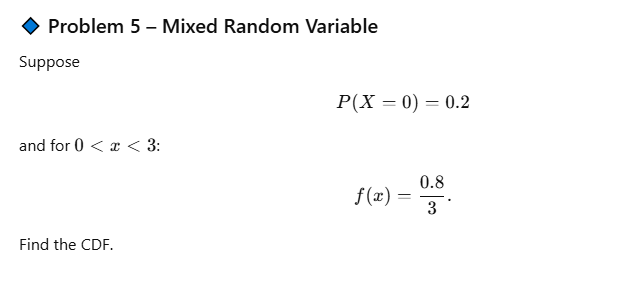
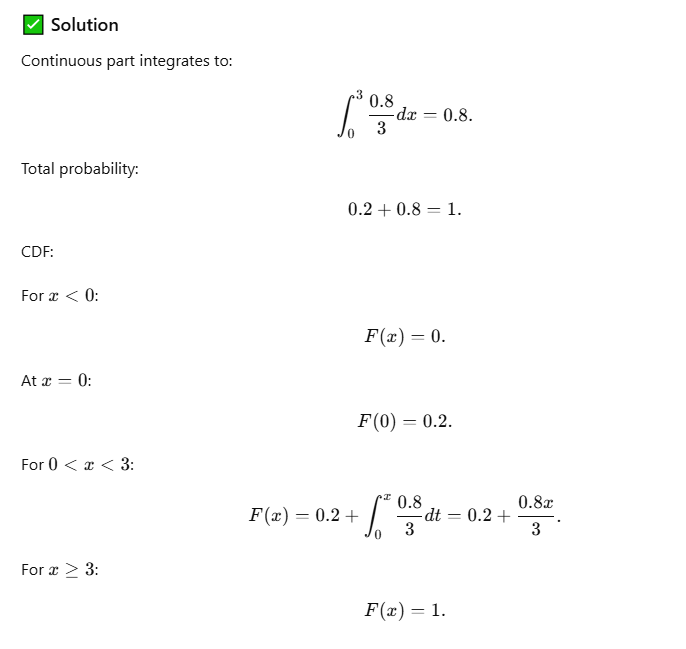
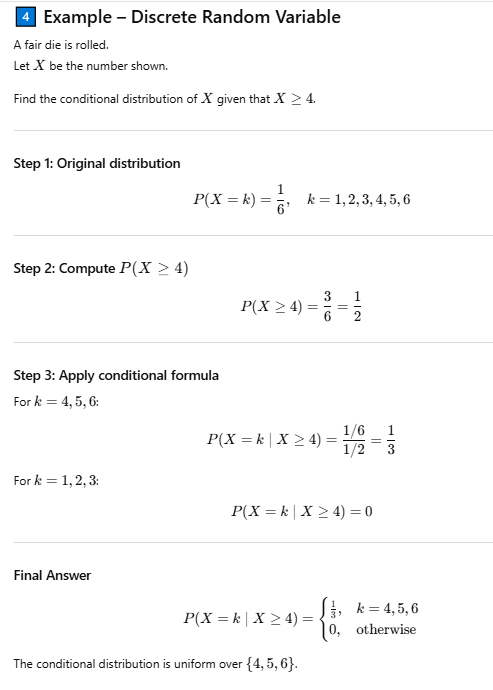
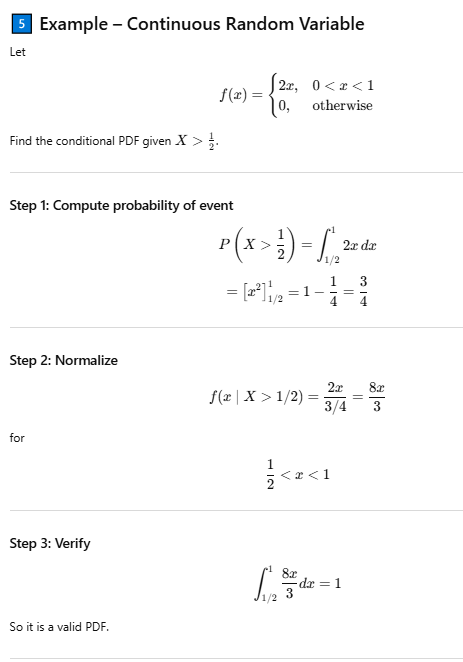
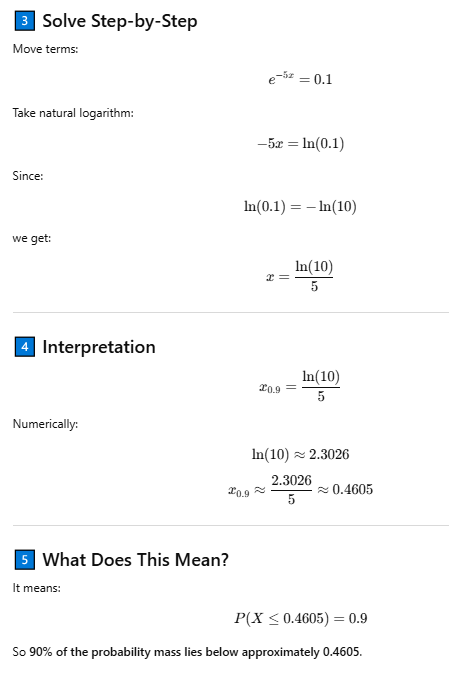
Conditional Distribution of a Random Variable
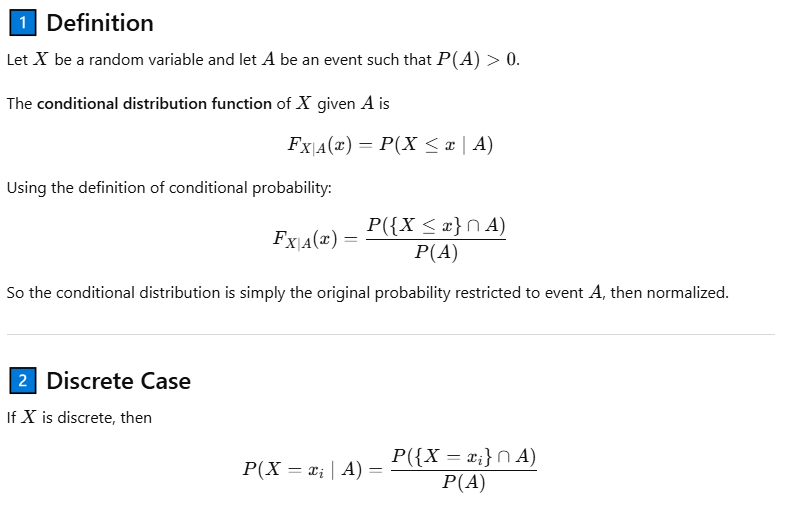
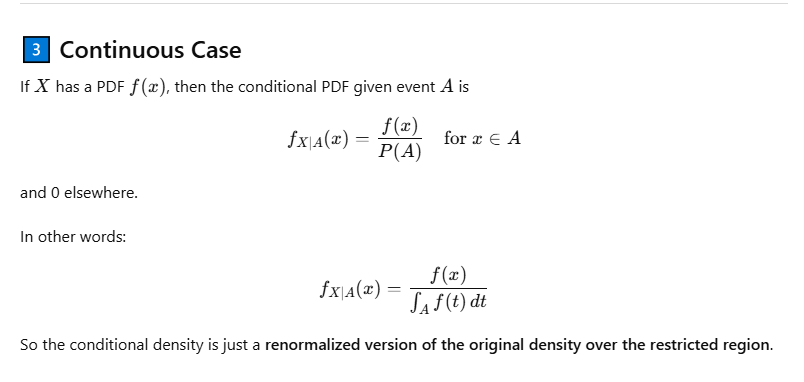
It describes how the distribution of a random variable changes when we are given additional information (i.e., when an event has occurred).
Problem Set 2
Functions of One Random Variable
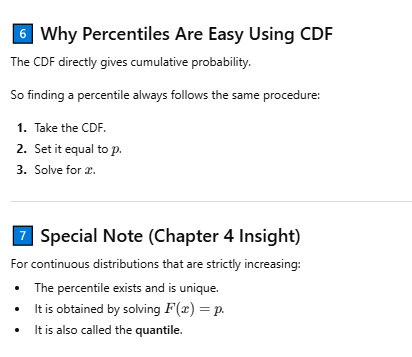
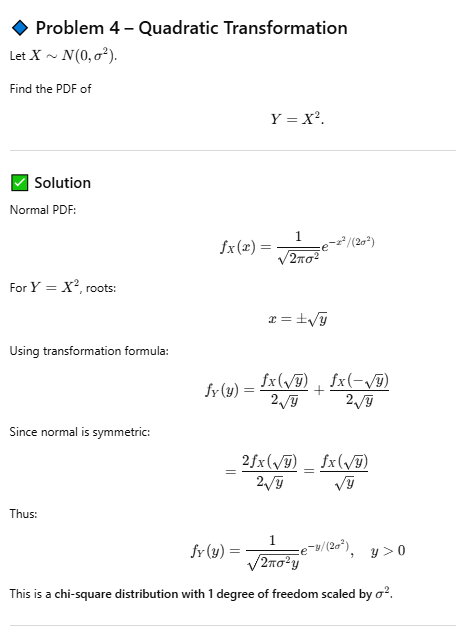
Distribution of
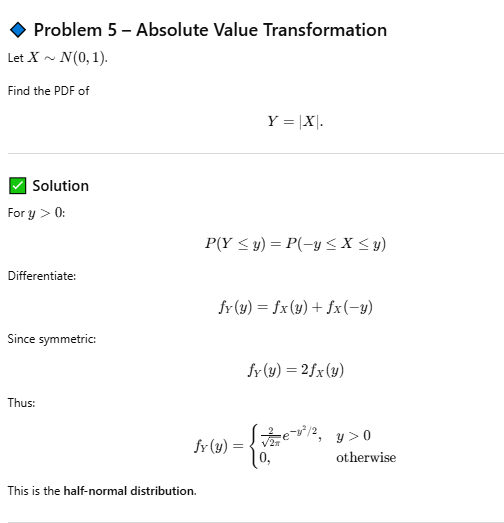
Monotonic transformations (either increasing or decreasing.. going in one direction)
Non-monotonic transformations
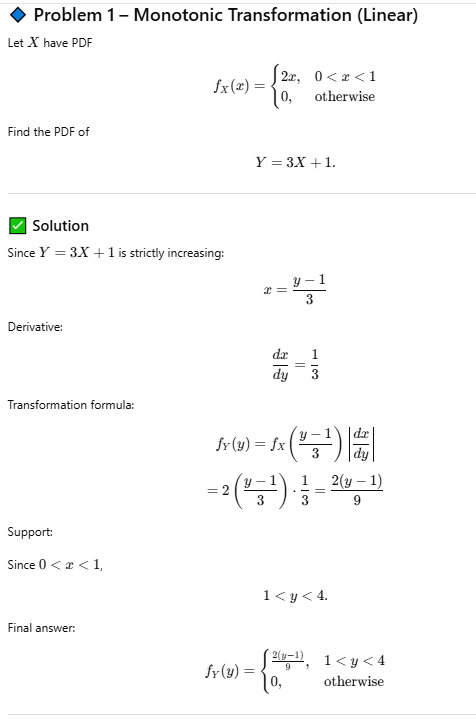
Distribution of
Method using CDF
Method using PDF (Jacobian technique)
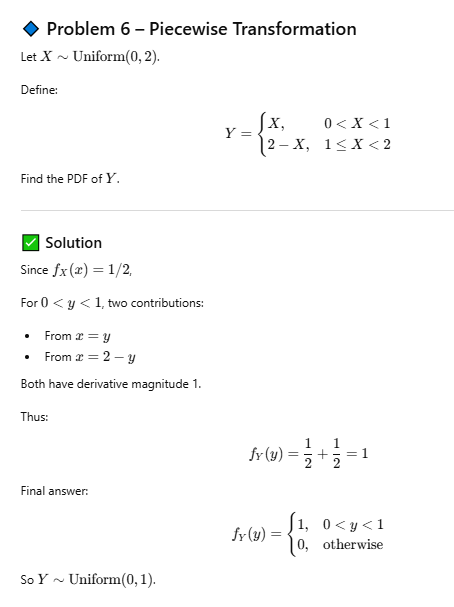
Piecewise transformations
🔹 Problem 2 – Non-Monotonic Transformation
Let
Find the PDF of
To find the probability density function (PDF) of 

1. Identify the distribution of 
The PDF of

2. Determine the range of 
Since ![[-1, 1]](https://s0.wp.com/latex.php?latex=%5B-1%2C+1%5D&bg=ffffff&fg=1a1a1a&s=0&c=20201002)
![[0, 1]](https://s0.wp.com/latex.php?latex=%5B0%2C+1%5D&bg=ffffff&fg=1a1a1a&s=0&c=20201002)
3. Cumulative Distribution Function (CDF) Method
For ![y \in [0, 1]](https://s0.wp.com/latex.php?latex=y+%5Cin+%5B0%2C+1%5D&bg=ffffff&fg=1a1a1a&s=0&c=20201002)

Since 


Integrating the PDF of

![F_Y(y) = \frac{1}{2} \left[ x \right]_{-\sqrt{y}}^{\sqrt{y}} = \frac{1}{2} (\sqrt{y} - (-\sqrt{y})) = \frac{1}{2} (2\sqrt{y}) = \sqrt{y}](https://s0.wp.com/latex.php?latex=F_Y%28y%29+%3D+%5Cfrac%7B1%7D%7B2%7D+%5Cleft%5B+x+%5Cright%5D_%7B-%5Csqrt%7By%7D%7D%5E%7B%5Csqrt%7By%7D%7D+%3D+%5Cfrac%7B1%7D%7B2%7D+%28%5Csqrt%7By%7D+-+%28-%5Csqrt%7By%7D%29%29+%3D+%5Cfrac%7B1%7D%7B2%7D+%282%5Csqrt%7By%7D%29+%3D+%5Csqrt%7By%7D&bg=ffffff&fg=1a1a1a&s=0&c=20201002)
4. Find the PDF of
The PDF 


Final Result
The PDF of

Problem Set 3
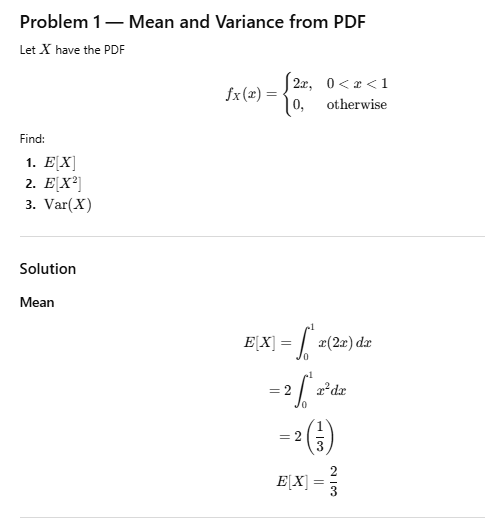
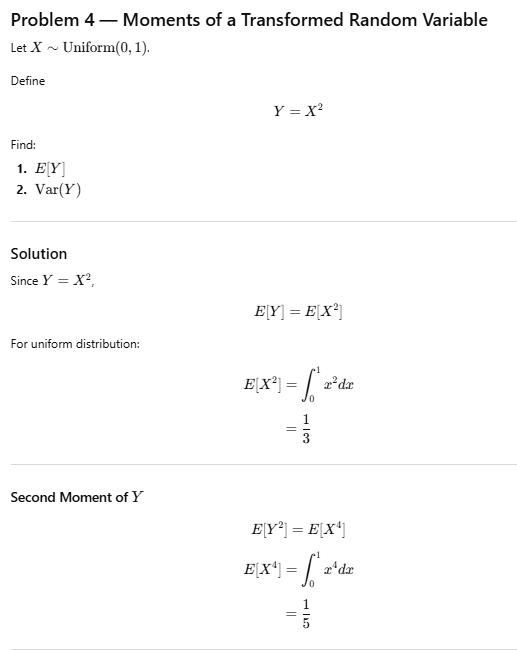
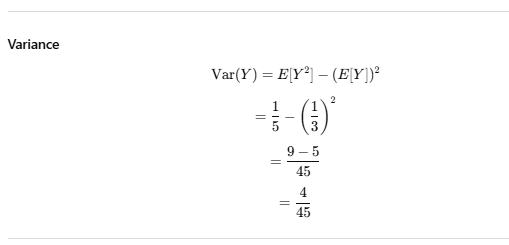
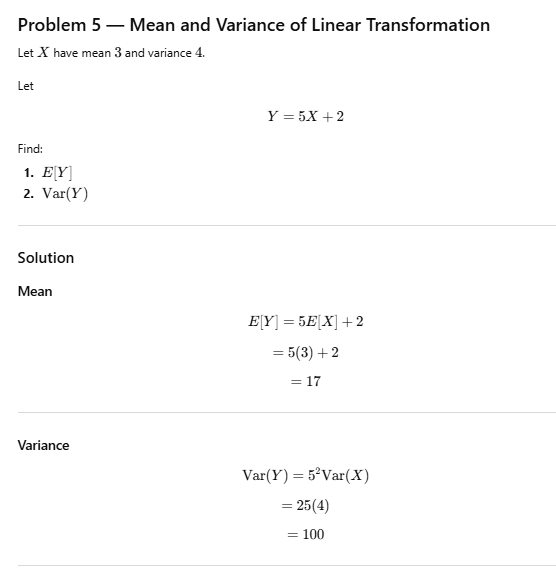
Mean and variance of transformed variables
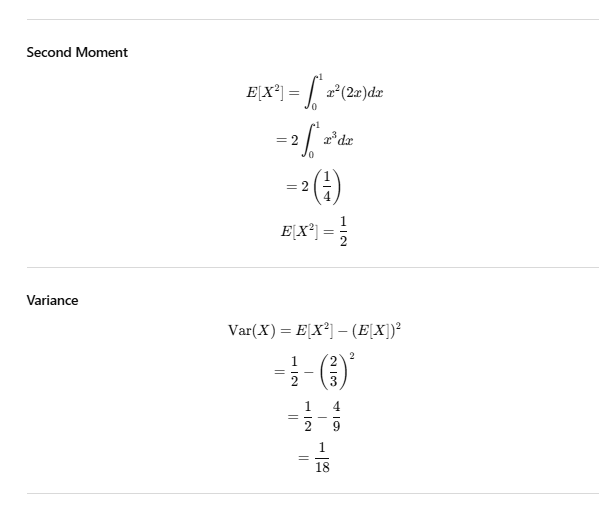
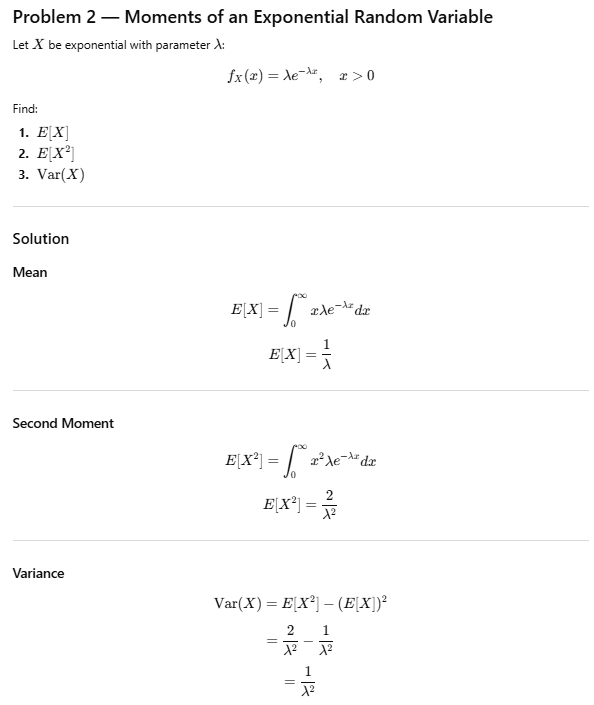
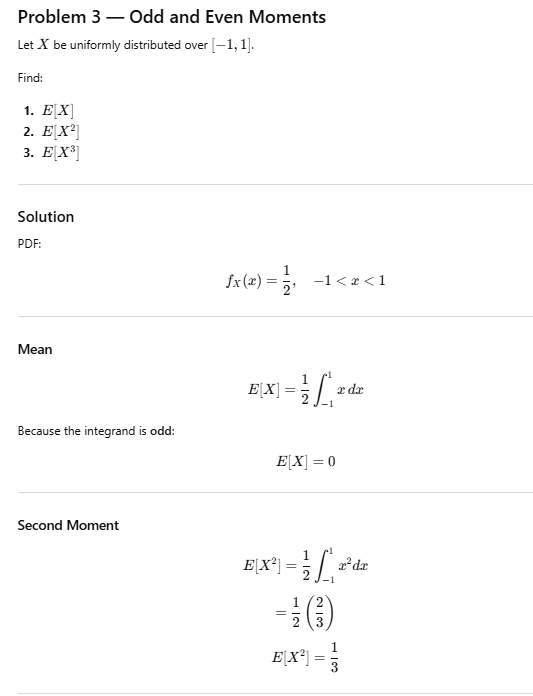
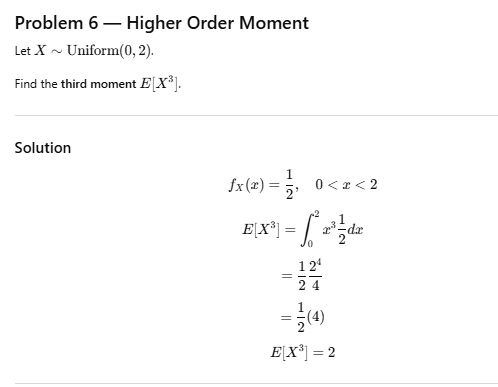
Moments (raw and central)
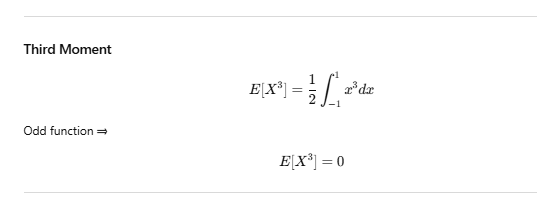
Even/odd moment properties
Moment calculation via PDF
Use of symmetry
Relation between moments and variance
Practice Set 4
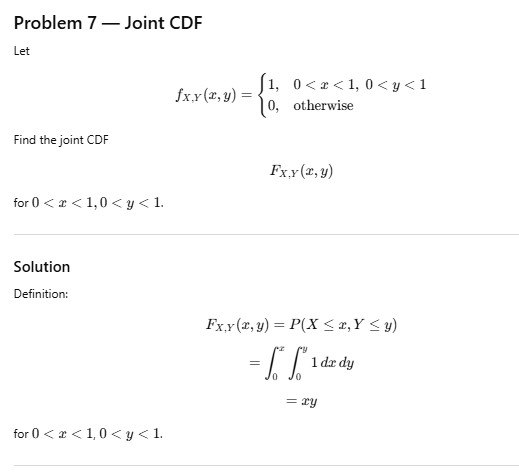
Joint distribution functions
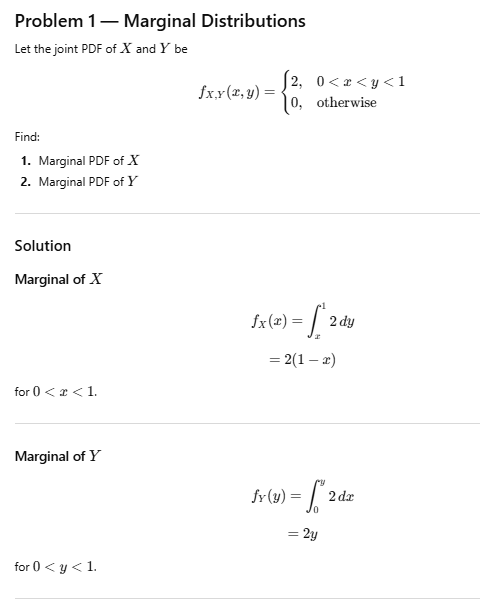
Joint PDF and marginal densities
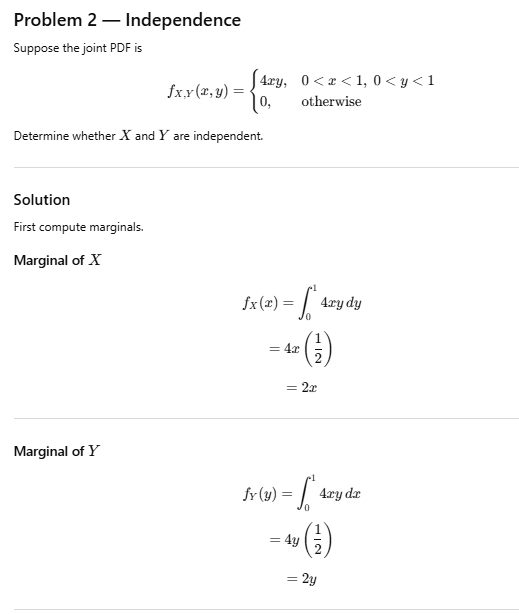
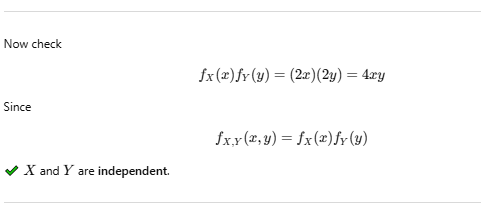
Independence of random variables
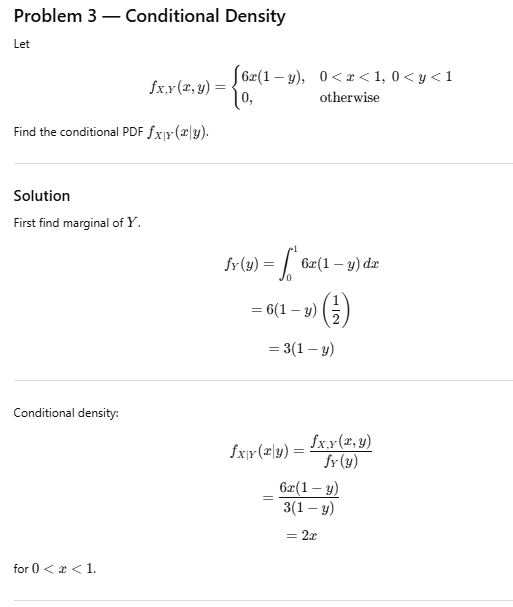
Conditional densities
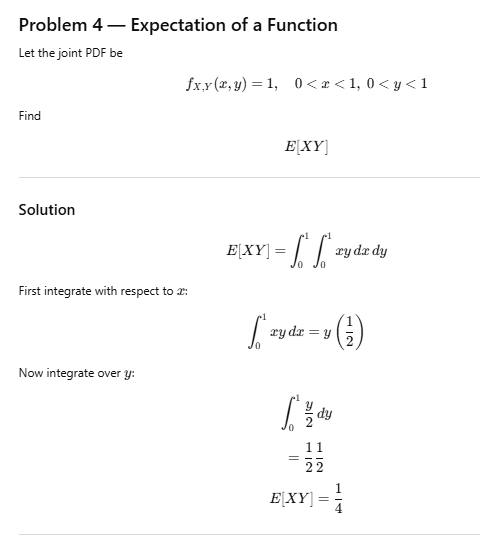
Expectation of functions of two variables
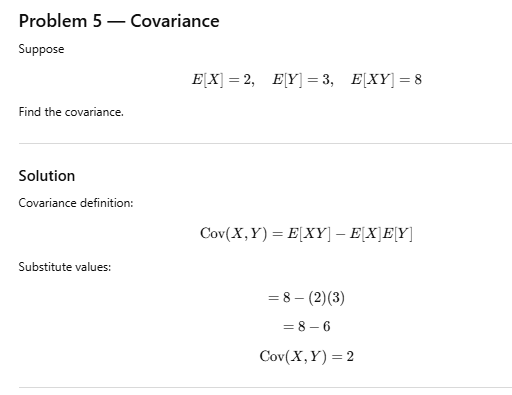
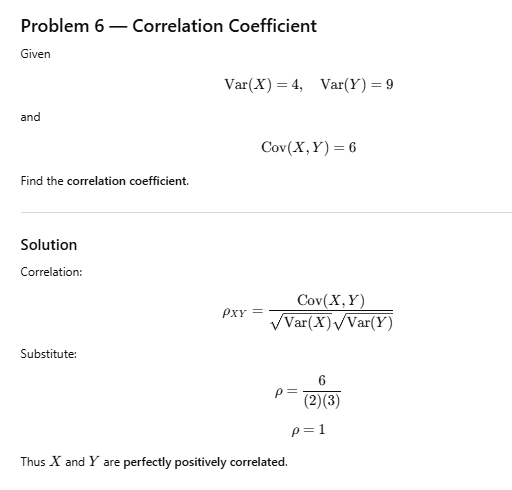
Covariance and correlation
Problem Set 4
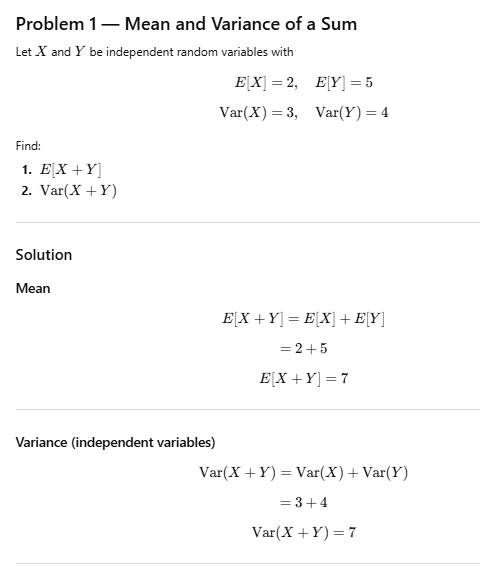
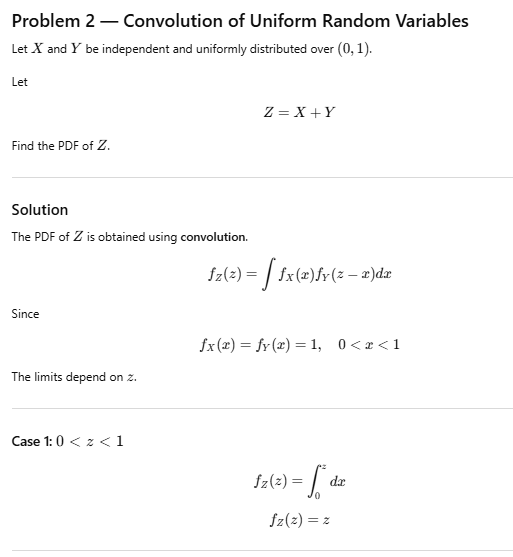
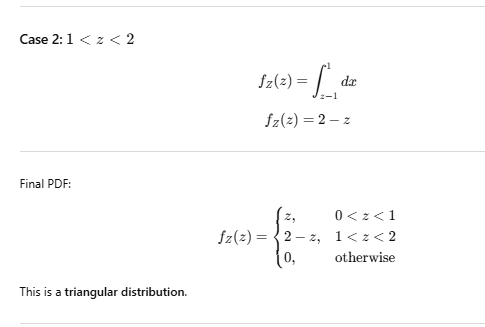
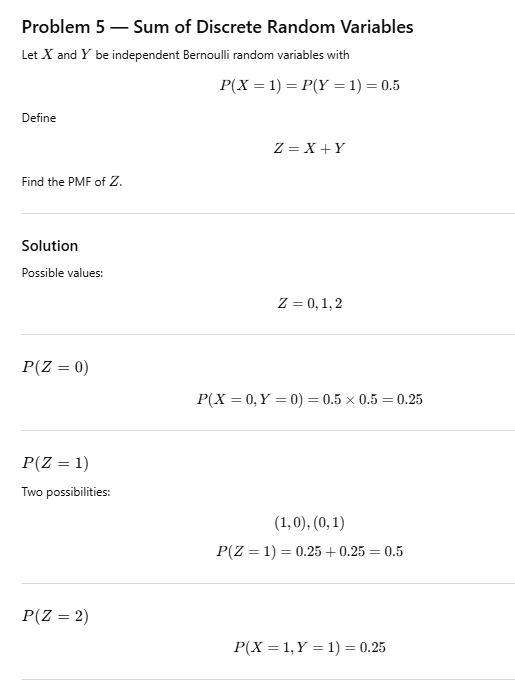
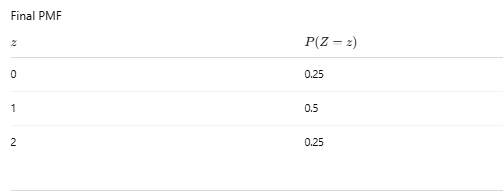
- Distribution of the sum of random variables
- Convolution of PDFs
- Sum of independent random variables
- Sum of uniform variables
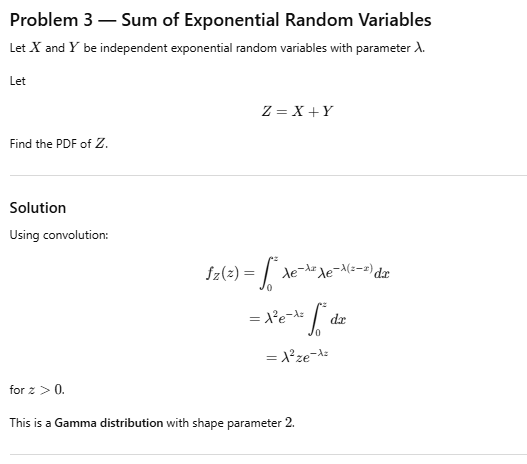
- Sum of exponential variables
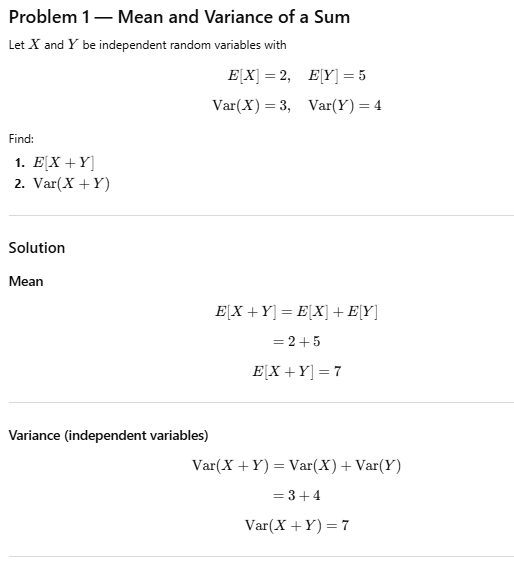
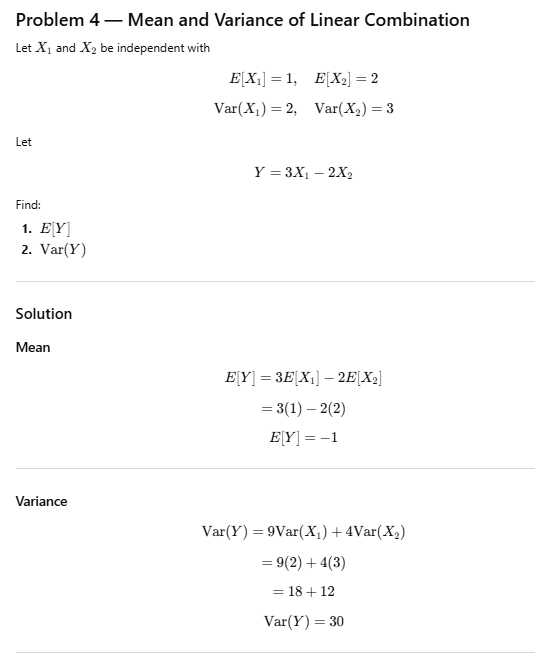
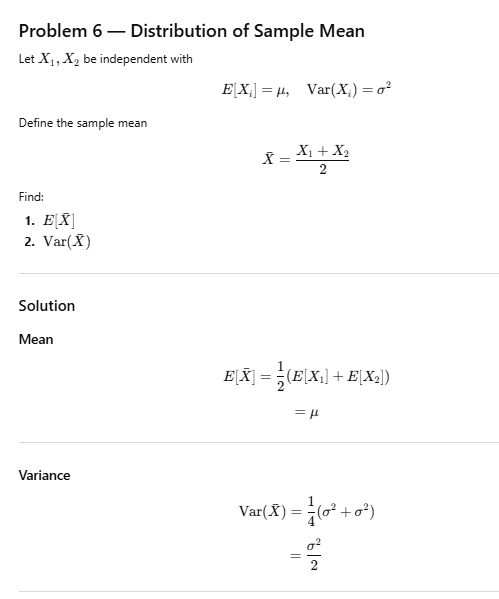
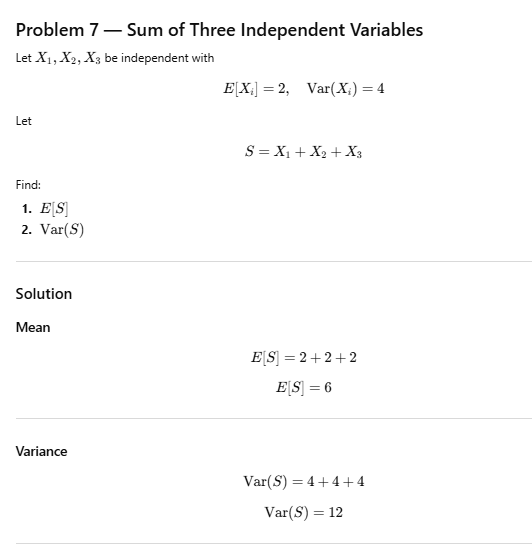
- Mean and variance of sums
- Linear combinations of random variables
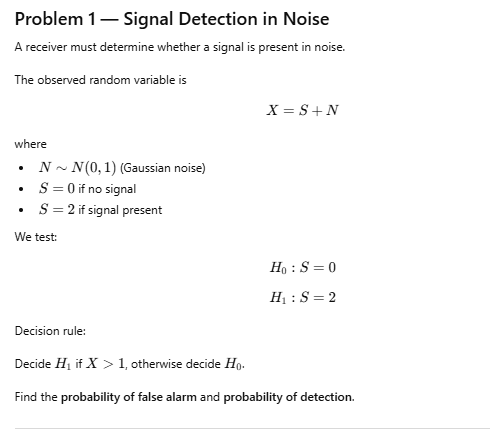
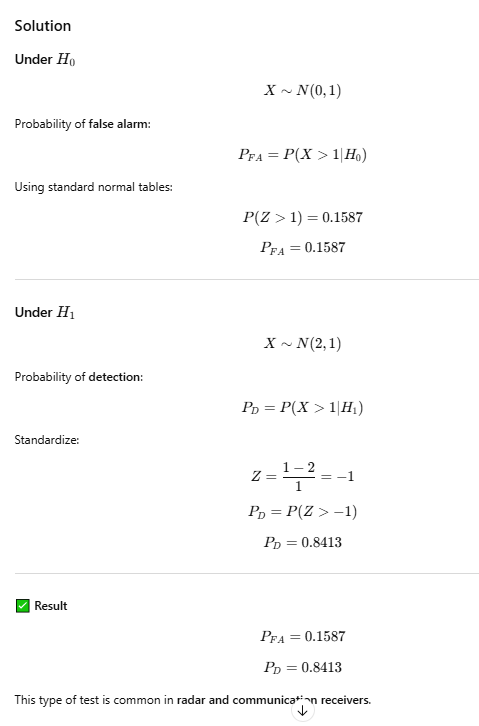
Hypothesis Testing Problems
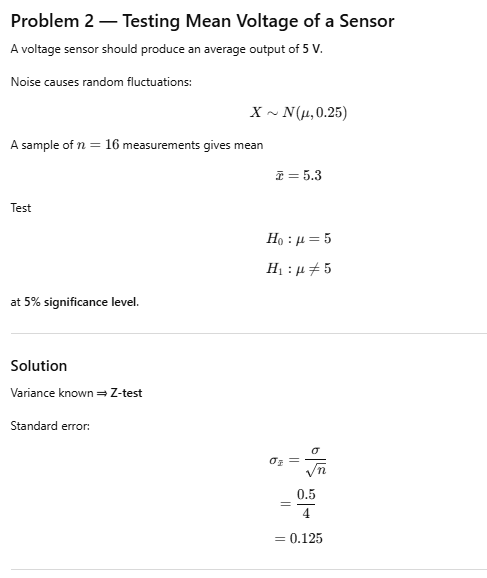
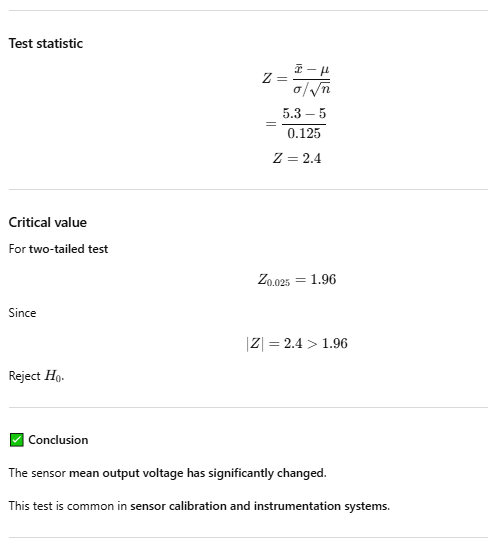
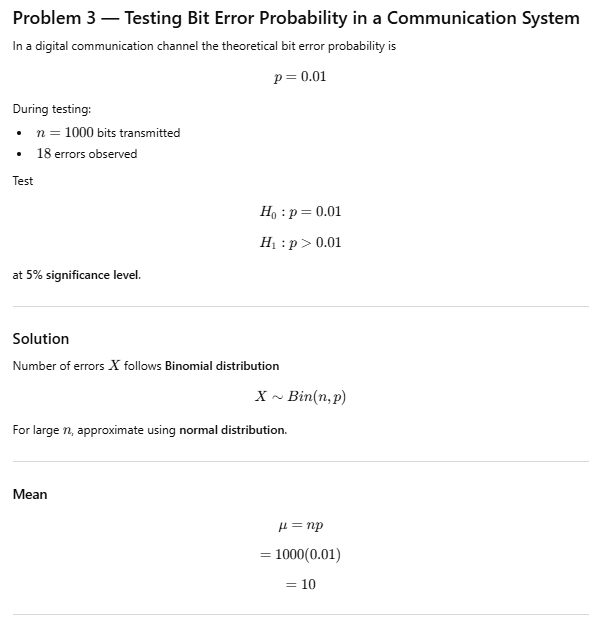
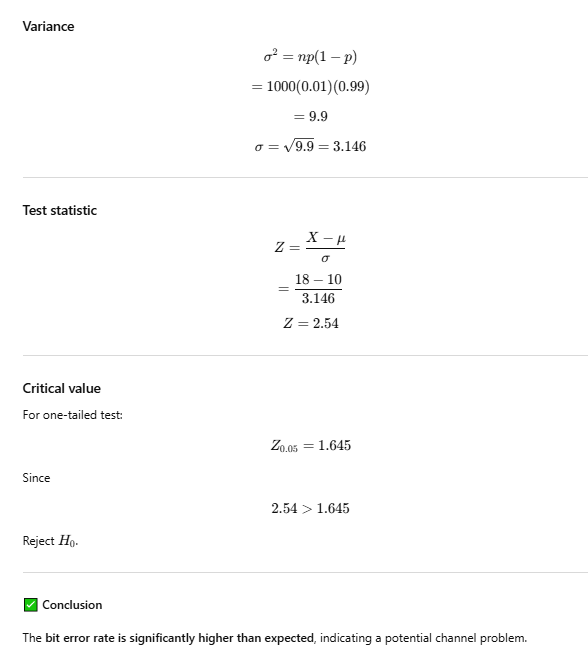
 Dr. Selvaraj Vadivelu